By Neirlay Andrade
When Hugo Chávez became president of Venezuela in 1999, the country’s external debt stood at around $28 billion. More than two decades later, estimates of Venezuela’s financial obligations range from $150 billion to $170 billion, an amount equivalent to five to six times the figure recorded at the beginning of the Chávez era.
The debt could be even larger. In June 2026, the British newspaper Financial Times reported that Venezuela was preparing to disclose obligations totaling approximately $240 billion, a figure higher than the estimates financial markets were using at the time.
Economist Manuel Sutherland warned about the consequences of assuming liabilities of that magnitude. If the debt reached those levels, he explained, the ratio of external obligations to gross domestic product (GDP) would exceed 300%. Under such circumstances, he warned, Venezuela would become “a completely unviable country.”
In May 2026, the Venezuelan administration appointed the U.S. firm Centerview Partners as its financial adviser to lead the restructuring process for sovereign debt and the debt of Petróleos de Venezuela (PDVSA).
Sutherland questioned the decision to hire the firm, criticized its selection without a public bidding process, and raised doubts about the cost of its services.
According to the figures he presented, the advisory services would cost $150 million, plus a possible fee linked to the outcome of the negotiations. The economist described the expenditure as “an outrageous rip-off” and questioned the lack of transparency around the contract terms.
In his analysis, he also addressed the oil and financial revenues Venezuela received between 1999 and 2015. He estimated that the country collected approximately “one trillion dollars” during that period and questioned where those resources went, claiming that people had “stolen, embezzled, and looted” them.
“That was enough money to put air conditioning on the sidewalks. That was enough to buy robots that would carry us to taxis and carry us home, so that every household would have a robot maid and receive $20,000 a month just for being Venezuelan,” he stated.
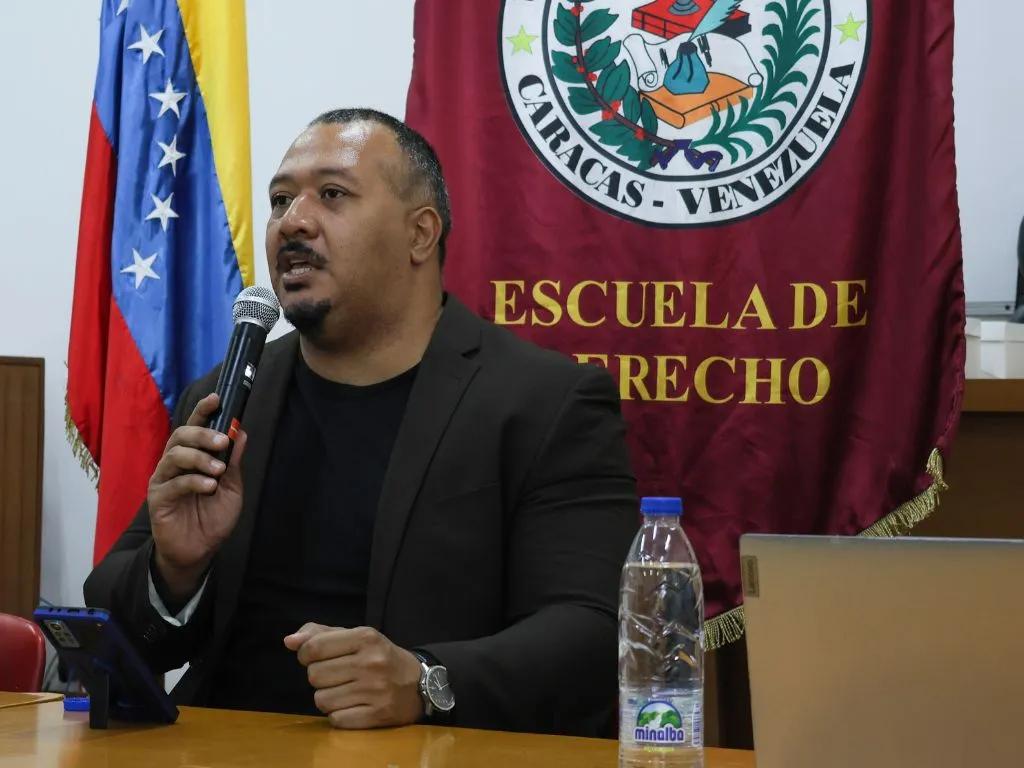
Sutherland, director of the Center for Development Studies (CENDES) at the Central University of Venezuela (UCV), believes that the scale of the liabilities and the conditions under which an eventual restructuring takes place are determining factors for the country’s economic outlook.
The economist advocates restructuring the external debt, “but not with crooks”—referring to the U.S. firm hired to advise on the process—”but with the International Monetary Fund and a citizen-led audit.”
“All of us must see how much we owe, whom we owe it to, and how much we owe each creditor,” he insisted.