EFE – Relatives called for urgent medical attention on Friday for more than 30 military personnel imprisoned in Venezuela who have entered the eleventh day of a hunger strike demanding their release, an end to judicial delays, and a review of their cases.
The NGO Committee for the Freedom of Political Prisoners (CLIPP) posted a video on X featuring Eladia Vásquez, mother of Second Sergeant Hevert David Glod Vásquez, who warned that her son’s life is “slowly fading away” and that “his body grows weaker every day.” She appealed to the International Committee of the Red Cross (ICRC) to assess his health and that of his fellow protesters.
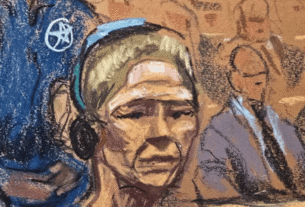
“Let us not wait for this to end in a fatal tragedy,” Vásquez said. She denounced the authorities’ lack of response and reported that her son appeared at the opening of his trial last Wednesday, when prosecutors accused him of treason.
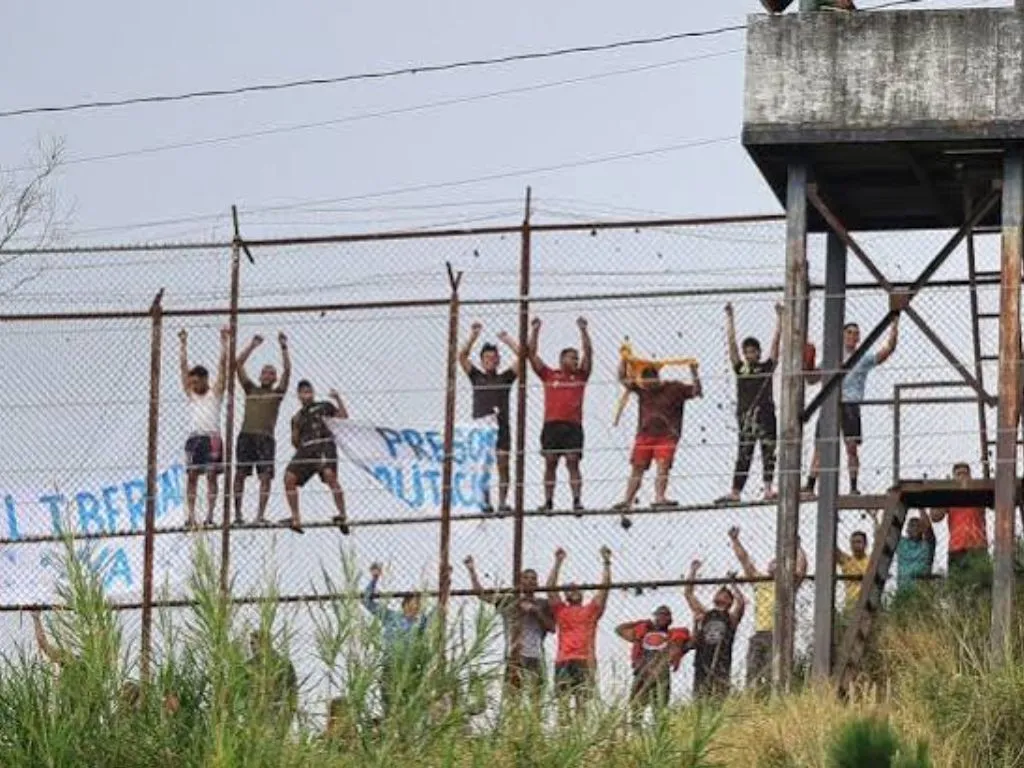
CLIPP told EFE that 36 inmates are participating in the hunger strike at Ramo Verde prison, near Caracas. According to the organization, authorities hold 35 of them, including Glod Vásquez, for political reasons, while another inmate joined the protest to denounce delays in judicial proceedings.
In a post on X, the NGO warned that after eleven days without food, many of the protesters “are suffering physical deterioration and their lives are at risk.” The organization called for immediate specialized medical attention, urged authorities to include their cases in political discussions, and demanded the full release of the protesters and all other political prisoners.
On Wednesday, the Venezuelan Prison Observatory (OVP) reported that 19 of the military detainees had already shown “signs of physical deterioration, seriously endangering their health and lives.”
The organization also urged the ICRC to provide humanitarian assistance and conduct medical evaluations of the detainees. Earlier this week, it called on both the United Nations Human Rights Office and the Inter-American Commission on Human Rights (IACHR) to issue statements regarding the situation.
A week ago, Human Rights Watch (HRW) reported receiving “concerning reports” about the prisoners’ conditions and demanded that authorities “verify their health and guarantee medical care, water, and visits.”
Last Saturday, opposition leader and Nobel Peace Prize laureate María Corina Machado shared on social media a letter signed by more than 150 military prisoners at Ramo Verde. In the document, they described living in a “state of defenselessness, uncertainty, and legal irregularity” due to the “systematic disregard for and violation” of their “constitutional guarantees, human rights, and due process.”
The letter also proposes granting military personnel imprisoned for political reasons the option of release into exile, for which the signatories request support from Norway and “other countries.”