The Daily Journal.- Russian President Vladimir Putin said Tuesday that Moscow seeks to maintain its energy cooperation with Venezuela and continues consultations with Caracas and representatives of third countries, as the United States expands its influence over Venezuela’s oil industry following the capture of Nicolás Maduro in January 2026.
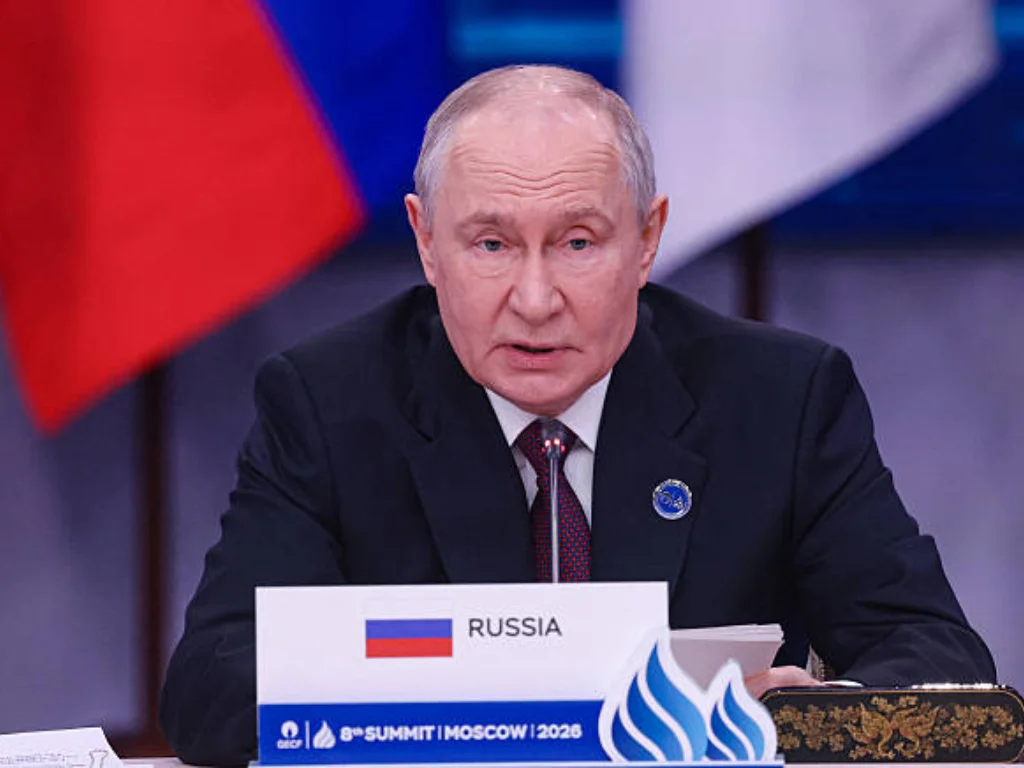
“Russian economic operators have invested billions of dollars in Venezuela’s energy sector, and we trust that this cooperation will continue,” Putin said during the Gas Exporting Countries Forum Summit in Moscow.
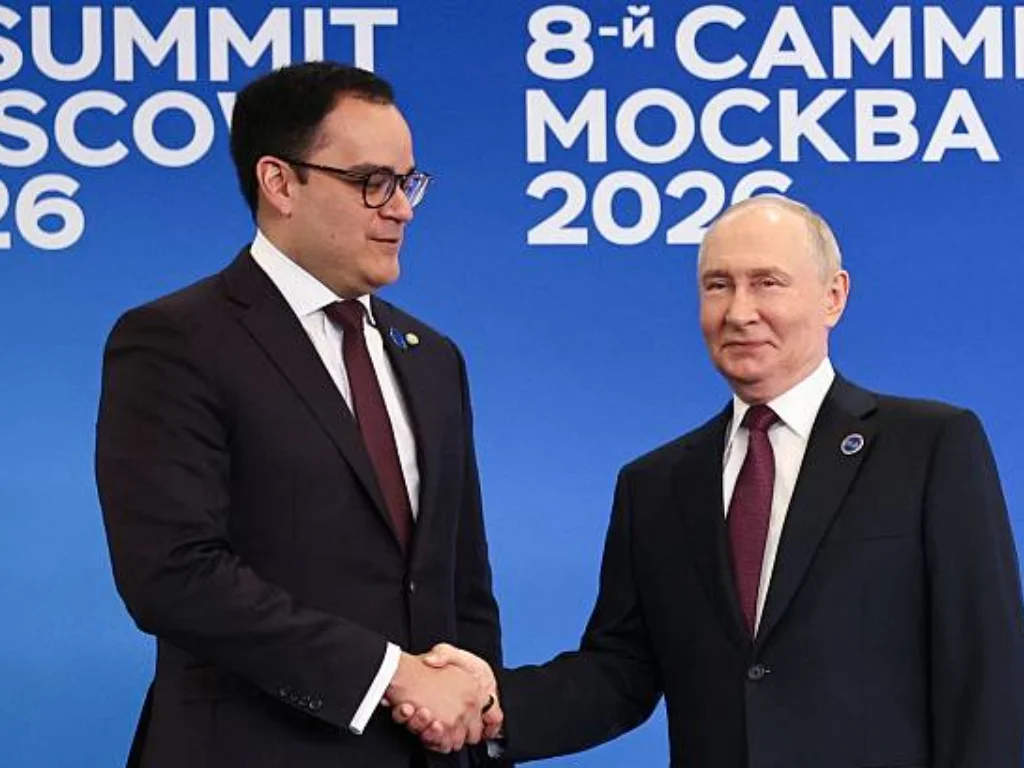
Calixto Ortega, Venezuela’s Sectoral Vice President for Economic Affairs and president of the Central Bank of Venezuela (BCV), attended the international summit. Hydrocarbons Minister Paula Henao also joined the official Venezuelan delegation.
The Russian president said his country stands ready to work “with the Venezuelan authorities, with our Venezuelan partners, as well as with representatives of third countries.” He also noted that Moscow continues consultations with government institutions and interested foreign companies, indirectly referring to the United States.
His remarks underscore Russia’s efforts to protect its business interests in an industry where Washington has expanded its influence through agreements with Venezuelan authorities overseeing the country’s political and economic transition.
Roszarubezhneft holds Russia’s main assets
Russia’s principal oil company with interests in Venezuela is Roszarubezhneft, a state-owned enterprise Moscow established in 2020 to take over assets previously held by Russian oil giant Rosneft.
Rosneft announced its withdrawal from Venezuelan operations in March 2020, transferring its stakes to a Russian state-owned entity after Washington imposed sanctions on two of its subsidiaries over activities involving Venezuelan crude oil trading.
The transfer did not mark Russia’s departure from the sector but rather a restructuring of its investment ownership. Roszarubezhneft took control of the assets and equity stakes that Rosneft held in joint ventures with Petróleos de Venezuela (PDVSA).
In January 2026, following Maduro’s capture, Roszarubezhneft maintained that its Venezuelan assets belong to the Russian state and that the company would honor its commitments to international partners. The firm argued that its holdings comply with Venezuelan law, international law, and bilateral agreements between the two countries.
Five joint ventures with PDVSA
Before Maduro’s capture, Russia held stakes in five oil joint ventures with PDVSA: Petromonagas, Petrovictoria, Petromiranda, Petroperijá, and Boquerón. These partnerships encompass projects in the Orinoco Oil Belt and western Venezuela.
The stakes historically attributed to Rosneft and subsequently transferred to Russian state-controlled entities included 40% in Petromonagas, 40% in Petrovictoria, 32% in Petromiranda, 40% in Petroperijá, and 26.67% in Boquerón. However, these figures reflect the ownership structure reported before recent changes and do not independently confirm that all these stakes remain unchanged as of October 2026.
In November 2025, Venezuela’s National Assembly approved a 15-year extension of agreements between PDVSA and a Roszarubezhneft subsidiary to operate the Boquerón and Perijá oil fields through 2041. The plan projected combined production of approximately 16,600 barrels per day and an estimated investment of $616 million, according to Reuters.
U.S. pressure reshapes the landscape
Russian companies now face increasingly limited room to operate as the United States seeks to expand its involvement in Venezuelan crude oil production and marketing.
The energy agreement Washington and Caracas announced in August 2026 allows North American Blue Energy Partners (NABEP) to operate 17 oil fields under a concession lasting up to 100 years, according to information the U.S. government released. The project includes fields with estimated proven reserves of approximately 65 billion barrels.