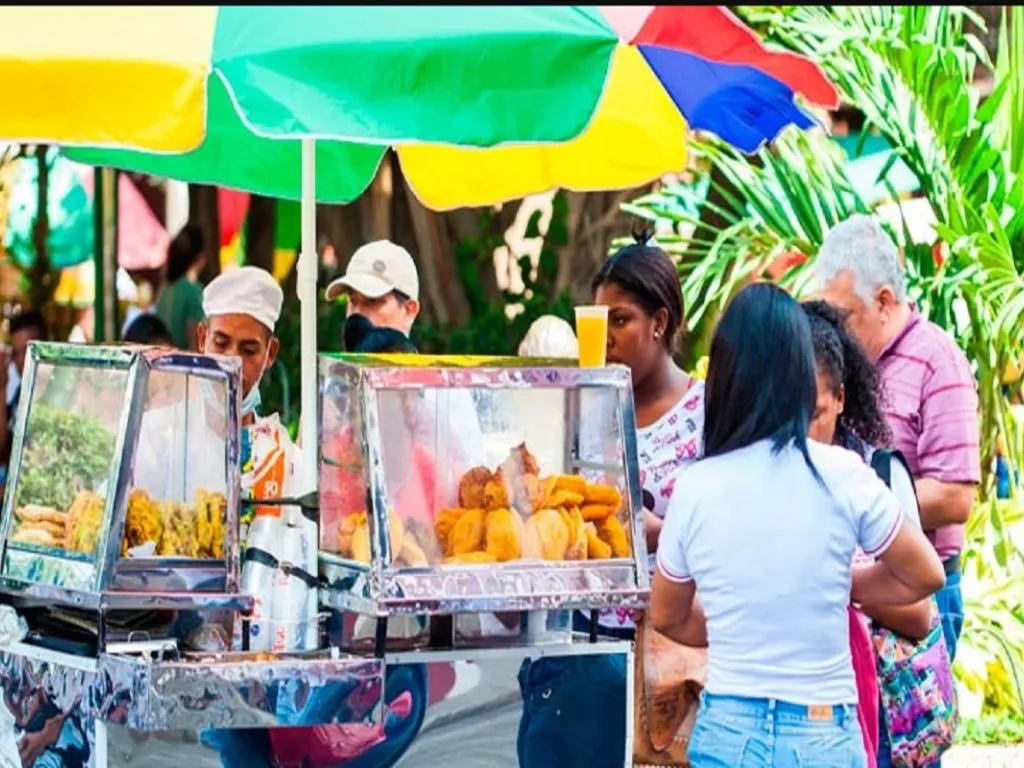
The Daily Journal.- Two pastries or two empanadas and a coffee or juice for a change. A cachito (a Venezuelan ham-filled bread roll) and a malt drink. That is what many Venezuelan workers eat for breakfast every morning, almost without thinking, almost out of habit, simply to get by and avoid spending the morning hungry.
At The Daily Journal, we compared the cost of buying breakfast on the street with preparing it at home. After all, what you spend at a corner food stand is very different from what you would spend making the same meal in your kitchen. Although the price difference is significant, the problem, as usual, is not money but time.
Eating breakfast out: How much does it cost?
The quintessential Venezuelan street breakfast is the empanada. Prices vary by filling and size. In Caracas, a shredded beef empanada costs around 900 bolívares (about $1), while an Andean-style pastry costs about 600 bolívares. A complete breakfast of two empanadas or two pastries, plus fresh juice or a malt drink, can cost around 2,700 bolívares, or about $3.
That amount represents slightly more than 30% of a worker’s income under the comprehensive income scheme. If we do the math, a street breakfast costing approximately $3 a day adds up to around $60 per month for the average worker.
For a public employee earning approximately $240 a month, including bonuses, this means one-quarter of their income goes toward breakfast alone, without even considering transportation, lunch, or other expenses.
Eating breakfast at home: How much does it cost to make it yourself?
Now, let’s head into the kitchen. How much does it cost to prepare breakfast at home? Let’s take one of Venezuela’s most traditional breakfasts as an example: an arepa with cheese and egg, accompanied by coffee.
Ingredient prices are as follows: precooked cornmeal starts at $1 per kilogram, a half-carton of eggs costs $2.90, and hard white cheese sells for nearly $8 per kilogram.
Using these prices, let’s calculate the cost of breakfast for one person. A kilogram of precooked cornmeal, which costs $1 or more and yields about 20 arepas, contributes just $0.05 per arepa. Hard white cheese, at $8 per kilogram, adds $0.40 for a 50-gram portion. One egg from a 15-egg carton costing $1.69 comes to $0.19. A cup of coffee, from a package that yields approximately 30 cups, adds another $0.10. The total comes to just $0.74. With two arepas, the cost rises to approximately $1.50.
Compared with the $3 cost of a street breakfast, the savings are about $1.50 per day. Over a 20-day working month, that means $30 in savings, nearly half the cost of eating breakfast out.
The time problem: Why street food wins
If preparing breakfast at home costs so much less, why do people continue buying it on the street? The answer is simple: lack of time.
A 2013 study by the Central University of Venezuela on time use includes testimonies from workers who wake up at three in the morning to prepare breakfast for their children before heading to work. However, women usually shoulder this responsibility, waking up very early to prepare meals for their families before leaving for their own jobs.
When you have to rush to catch public transportation, making arepas at five in the morning isn’t always an option. Buying breakfast on the street then becomes the quickest solution, even if it costs more.
How can you manage breakfast expenses without breaking the bank?
Some strategies work even when time and money are scarce. Some people prepare their meals the night before. Cooking in batches over the weekend can also help.
Another option is to make the most of budget-friendly meals that stretch further, such as ground beef mixed with seasonings, potatoes, or zucchini to increase portions and make the food last several days. Legumes such as black beans, lentils, and other beans also work well, along with shredded chicken or shredded beef.
Also, buying groceries in bulk with coworkers can help you get food at lower prices. If you buy breakfast on the street, look for combo deals. They usually cost less than purchasing each item separately.
Since breakfast is the most important meal of the day, you should make it a priority. The key lies in planning and sharing expenses.
How much do you spend on breakfast? Do you eat at home or buy it on the street? Tell us in the comments.