The issue is controversial, and there will always be people for and against it, but La Guaira’s communities need tourism, says Vicky Herrera de Díaz, president of the association.
Vanessa Davies
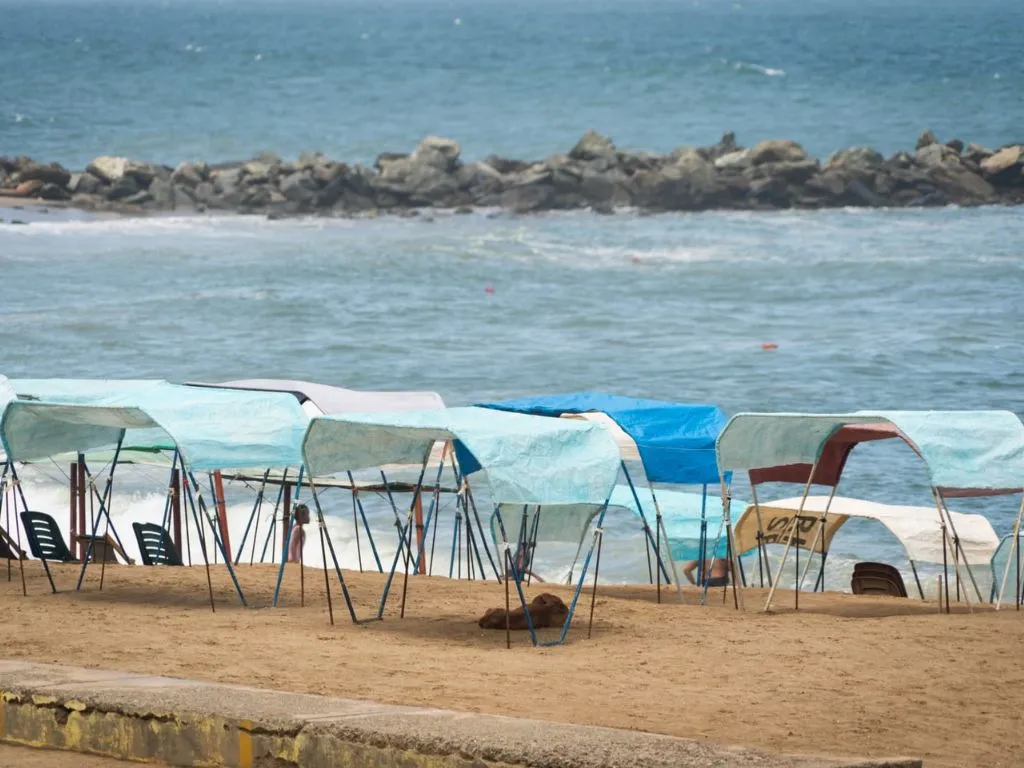
Caracas – After four months of official closure following the June 24 earthquakes, La Guaira’s beaches will once again welcome visitors with full authorization from the authorities. Officials announced the reopening for Saturday, October 31, and Sunday, November 1, amid widespread anticipation.
“Precisely because this is a controversial issue, there will always be people in favor and people against it. There will never be a specifically ideal moment for this to happen. It will always be complicated because we are not facing a return to normality; we are facing a new reality, a different reality that requires us to use and enjoy these spaces differently,” explains Vicky Herrera de Díaz, president of the Venezuelan Association of Travel and Tourism Agencies (Avavit).
For those who work in the beach tourism sector, “reopening is necessary,” she argues. “There will never be an ideal moment; it will always be a difficult one because this has been an extremely complex situation. It is a new reality that we must confront and somehow adapt to.”
With responsibility
Herrera insists that visitors must use beach facilities responsibly. “In the most responsible way, in the most conscious way. Avoiding, for example, loud music. Avoiding, for example, the misuse of natural spaces.”
The emphasis should be on supporting the community by “buying local products, enjoying experiences that communities offer, and using local guides.”
People must understand, she stresses, “that we are reactivating the economy of these communities, these spaces, these places that depend on tourism and need to start working again.”
Should authorities regulate beach activities, or should they leave the decision to visitors’ individual judgment?
“I would say regulation is necessary. We need a framework that establishes clear rules and clearly defines what we want to achieve, precisely to avoid disturbing the emotional well-being of many people who, quite understandably, are still suffering from everything that happened,” Herrera explains.
Maiquetía: The Need for Permanent Solutions
Herrera emphasizes that the tourism industry and the country need Maiquetía Airport to operate at full capacity.
In other words, the airport must “have all its facilities operational, with everything necessary for us to talk about restoring connectivity, opening up the economy, and welcoming significant numbers of tourists. We need permanent infrastructure, and we need fully functional infrastructure.”
Although she appreciates the efforts authorities have made so far and acknowledges that the temporary structures, including tents, are functioning, she stresses that “it is also important for people to understand that we must continue working toward permanent solutions, that we must continue pursuing concrete measures that will allow Maiquetía Airport to resume full operations.”