By José Leonardo Salazar P.
The Daily Journal.- The official narrative that seeks to portray the revival of Venezuela’s oil industry as an economic renaissance conceals one of the region’s most serious ecological problems. The arrival of multinational corporations such as Repsol, Chevron, ENI, and NABEP should not inspire unconditional celebration, but rather serve as an urgent wake-up call. Behind the financial optimism and the resumption of production lies a chronic and devastating reality that many choose to overlook: thousands of pre-existing environmental liabilities, accumulated through years of underinvestment, obsolete infrastructure, and maintenance failures, have turned oil extraction fields into veritable environmental hazard zones.
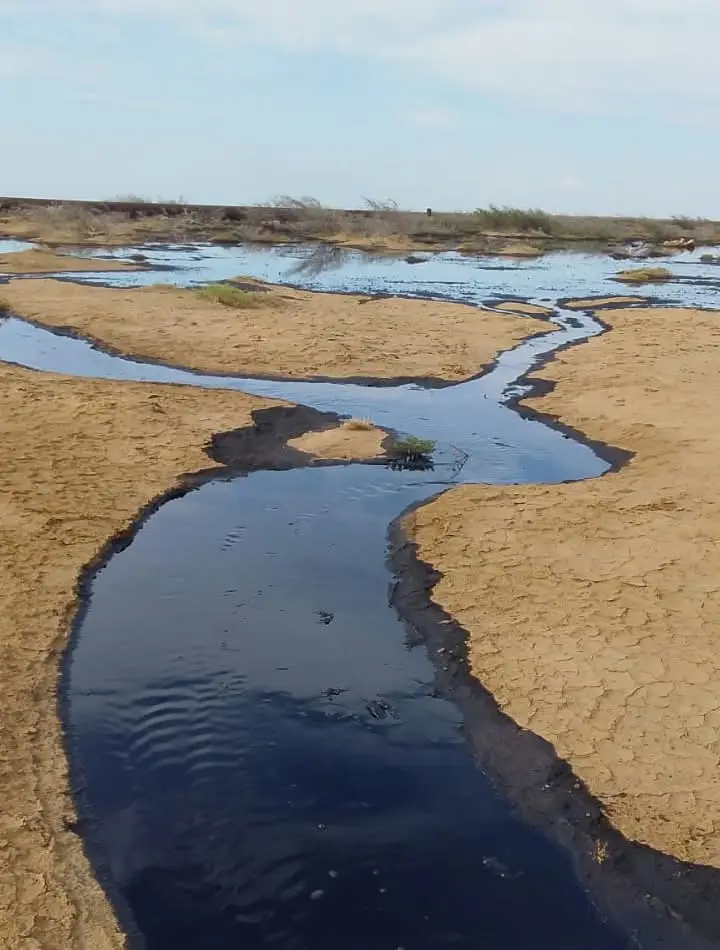
Lake Maracaibo and the Orinoco Oil Belt experience constant oil spills, which satellite imagery regularly documents. Meanwhile, untreated toxic sludge pits remain scattered across these areas, and uncontrolled gas flaring continues to release pollutants into the atmosphere as authorities look the other way.
This crisis presents an enormous ethical and legal challenge for foreign companies, caught between the urgency of extracting cheap crude oil and the stringent international demands for sustainability.
In today’s energy market, parent companies and global financial institutions impose Environmental, Social, and Governance (ESG) criteria as an unavoidable filter. This is where corporate rhetoric collides head-on with the reality of doing business in Venezuela: for this oil to qualify for demanding international markets, operators must guarantee clean processes and mitigate methane emissions, a goal that seems utopian within a collapsed system. For this reason, environmental due diligence can no longer remain a mere bureaucratic formality conducted behind an office desk; it must serve as a protective barrier.
Multinational corporations must precisely delineate the historical environmental damage at each oil field, not out of charity, but to avoid inheriting a multibillion-dollar remediation bill that does not belong to them. Venezuela’s legal framework is unequivocal and, paradoxically, among the most advanced on paper, making its failure to enforce it meaningfully all the more outrageous.
The Constitution mandates Environmental Impact Assessments, while the Organic Law on the Environment establishes that ecological damage carries no statute of limitations because it threatens public heritage. Even more forcefully, the Environmental Criminal Law establishes strict liability, warning that executives of joint ventures or private companies may face severe criminal penalties if they tolerate or perpetuate the failure to carry out environmental remediation.
The law exists in writing, yet environmental impunity has prevailed for years. Allowing economic urgency to weaken these regulations in favor of foreign investment would set a disastrous precedent, mortgaging the future of coming generations under the pretext of economic development.
Establishing the legal environmental baseline — the technical inventory that distinguishes the environmental disaster of the past from present-day operations — cannot remain exclusively under the control of commercial interests. Although the law requires independent environmental consultants to audit mature oil fields under the supervision of the Ministry of People’s Power for Ecosocialism (MINEC) and PDVSA, communities and environmental NGOs also have both the right and the legal obligation to exercise relentless oversight of this process. These audits must pursue absolute transparency and the contractual allocation of financial responsibility for environmental remediation.
In a Venezuela desperate for foreign currency, ignoring the invisible trail of oil pollution to accelerate production constitutes unforgivable shortsightedness. The revival of hydrocarbon production cannot come at the cost of complicit silence or the irreversible destruction of our ecosystems.