The memorandum signed with PDVSA grants the U.S. company one year of exclusivity to review technical information and negotiate contractual terms. The portfolio includes mature fields, undeveloped projects, and an exploration block.
The Daily Journal.— ExxonMobil is evaluating seven oil areas in Venezuela under a preliminary agreement with the government and Petróleos de Venezuela (PDVSA), which would allow the company to negotiate the terms of a potential return to the country over one year, according to four sources familiar with the discussions cited by Reuters.
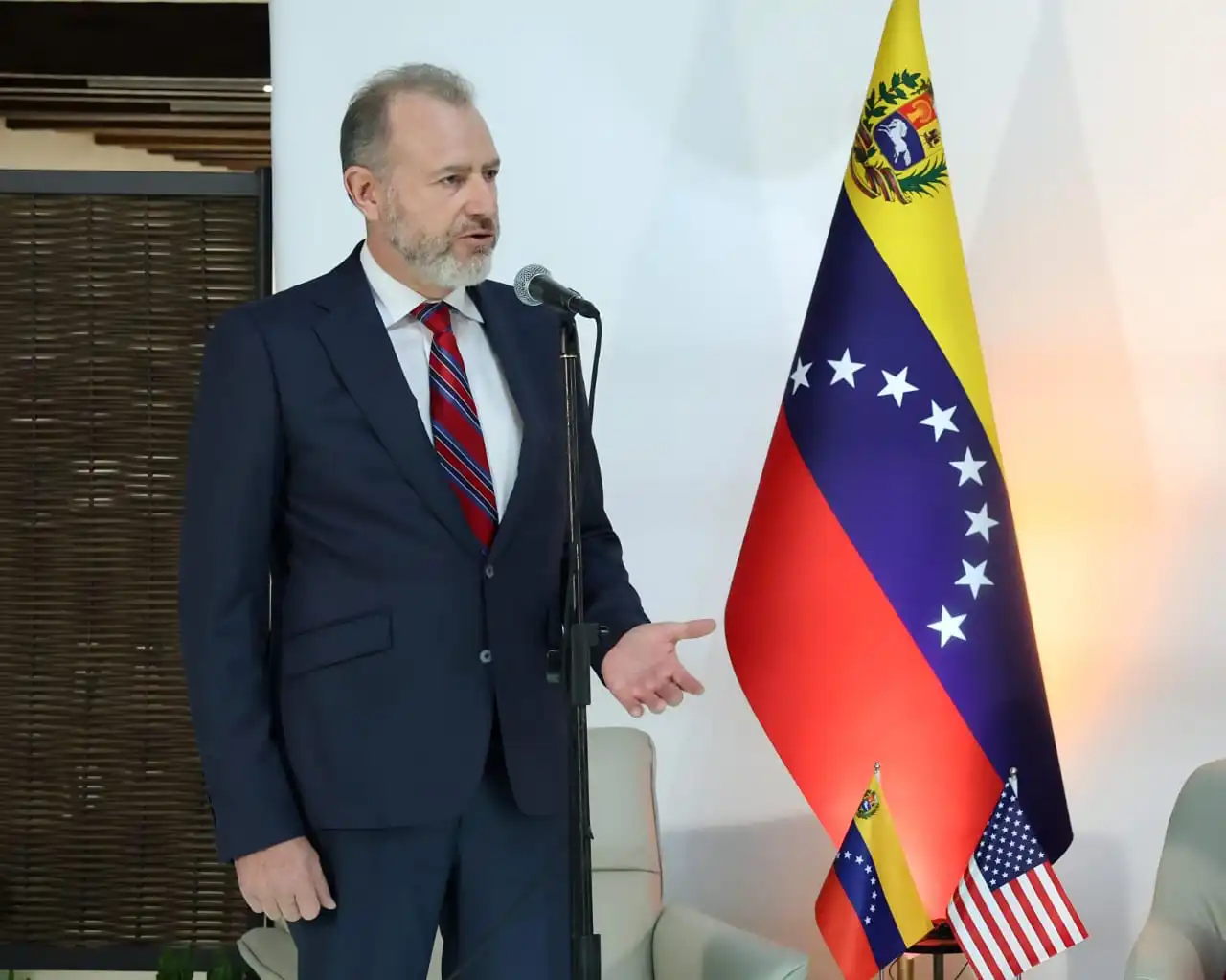
The memorandum of understanding, signed Monday in Caracas in the presence of Acting President Delcy Rodríguez, grants the company exclusive rights for 12 months to negotiate contractual terms and review subsurface information and other technical data related to the assets, one source explained. The agreement is nonbinding and does not guarantee investment by the oil company.
The portfolio under evaluation includes undeveloped fields, mature oil areas, and an exploration block. Discussions have focused primarily on heavy crude projects in the Orinoco Oil Belt, including Petromonagas, formerly known as Cerro Negro, where Exxon operated before the government expropriated its assets in 2007.
According to the sources, the company is also examining three other areas in the Orinoco Belt, including developed and undeveloped fields, while negotiating exploration rights in a separate block.
Petromonagas stands out among the assets under consideration because it has an operational upgrader, a facility that converts extra-heavy crude into grades suitable for commercial sale and export.
Russian ownership remains uncertain
One unresolved issue in the negotiations involves Russian companies’ ownership stakes in Petromonagas and Petrovictoria, two projects included in the current discussions.
Rosneft acquired a 40% stake in Petromonagas following the expropriation of Exxon’s assets. In 2020, the company transferred that stake to Roszarubezhneft, a Russian state-owned company established to protect Moscow’s overseas assets from U.S. sanctions.
The Russian government has publicly maintained that it retains its ownership stakes in those and other oil and gas projects in Venezuela. Meanwhile, Hydrocarbons Minister Paula Henao stated earlier this year that the government would honor existing agreements with Russia and China and that joint ventures involving companies from both countries would continue operating.
Exxon has not publicly disclosed which assets it intends to add to its portfolio or commented on the Russian ownership stakes.
Investment conditions
Exxon’s potential return would mark a significant shift in the company’s relationship with Venezuela, where the government nationalized its assets during Hugo Chávez’s presidency.
The U.S. oil company described the memorandum as a “significant first step”. Still, it cautioned that any future investment would depend on “stable policies, clear regulations, strong investment protections, and competitive returns.”
In January, Exxon Chairman and CEO Darren Woods described Venezuela as “uninvestable” during a White House meeting, emphasizing the need for stronger safeguards to protect long-term investments and prevent future expropriations.
However, following the oil sector reform that Rodríguez introduced earlier this year, Woods acknowledged improvements in Venezuela’s fiscal and legal framework during a third-quarter earnings call with investors.
U.S. Energy Secretary Chris Wright also expressed support for the preliminary agreement, describing it as “tremendous progress in a remarkably short time.”
Exxon’s potential entry into Venezuela’s oil industry could also provide operational advantages due to the proximity of its assets in Guyana and Trinidad and Tobago. The company leads the consortium developing the Stabroek Block in Guyana and holds exploration rights over an extensive deepwater area in Trinidad and Tobago.
With information from Reuters