By Héctor Sánchez
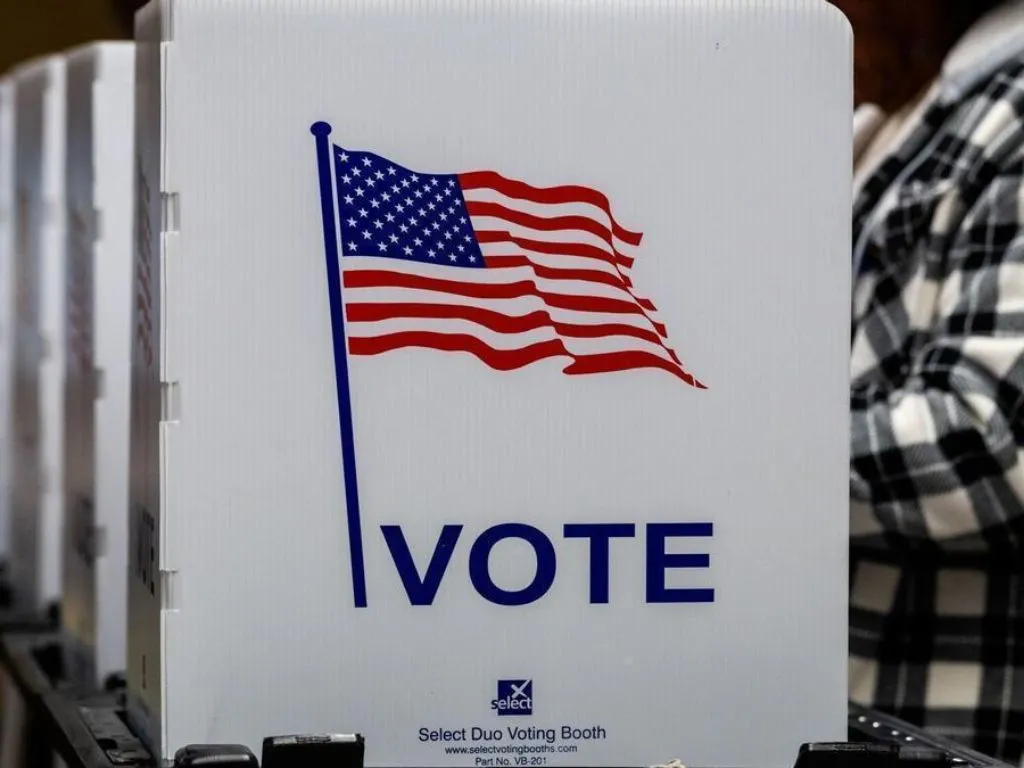
The Daily Journal.- The midterm elections in the United States are no ordinary electoral contest. Although voters formally head to the polls to elect members of the House of Representatives, one-third of the Senate, and several governors, these elections have, in practice, become a direct referendum on Donald Trump himself and his performance in office.
If Republicans lose control of Congress—as forecasts suggest—Trump will not automatically leave the presidency. However, such an outcome would open the door for Democrats to launch a rigorous system of congressional oversight and even pursue impeachment proceedings before the end of his term. Even if those efforts fail, scrutiny of his administration would become relentless, leading to a clash between branches of government in Washington reminiscent of the institutional gridlock that other countries have experienced.
But beyond the American political spectacle, the fundamental question is not merely what will happen over there if Trump loses, but what will happen here, in our magnificent yet battered country, which has effectively become a nation under permanent political, military, and economic tutelage.
Recently, Trump once again insisted on treating Venezuela as though it were the “51st state” of the Union, adopting an openly humiliating tone when he claimed that, instead of holding independent presidential elections, our country should elect a “governor.” He spoke in the first-person plural, including himself as an arbiter of our national debate.
As offensive as it sounds, the statement exposes a bitter truth not only because of the coercive presence and military pressure that keep the country in a state of virtual occupation, but also because of the submissive attitude of the local political leadership. Rather than joining forces in a common front to defend national sovereignty, Venezuela’s political actors appear to have tacitly agreed to reduce Venezuelan politics to a pathetic contest over who can win the favor of the autocrat to the North.
This behavior raises an unavoidable question: If our national politics revolve around winning the favor of whichever administration happens to occupy the White House, what happens if Trump loses?
If Trump loses or emerges severely weakened from the elections, Venezuela’s various political factions will find themselves in a profoundly uncomfortable position. Will they finally recover their dignity and sense of sovereignty, or will they simply switch masters?
As for the opposition factions, the situation exposes their lack of a political project of their own. Having reduced their only clear proposal to a constant plea for Washington to do their political work for them, Trump’s downfall would leave them without their principal patron.
Yet their response will hardly involve reclaiming national dignity. More likely, they will scramble for scraps of attention from the Democrats—just as they did in the past—hoping that a new administration in Washington will do them the favor of handing them the presidency they have proved incapable of winning on their own.
Unfortunately, American elections have also become, to some extent, our elections because of this level of dependence. As the post-election spectacle unfolds, we might as well get the popcorn ready and watch the political elites rearrange themselves. Yet the time has come to recognize that we are a nation mature enough to reject foreign tutelage. Being anti-government or anti-opposition gives no one the right to accept or normalize treatment that portrays us as a society incapable of solving its own problems.
Donald Trump may win or lose, face impeachment and removal from office or cling to power indefinitely, continue his rhetoric or disappear from the political scene altogether. But as long as we in Venezuela fail to abandon the logic of submission disguised as fear or convenience, and as long as we keep waiting for the very people who share responsibility for this disaster to come to our rescue, the country will remain the same—or grow even worse.
The real question, therefore, is not what happens if Trump loses. The real question is: What happens if we remain unchanged and continue acting exactly as we always have?
We know the answer all too well: Nothing good. And future generations will pay the price for our inability to exercise genuine sovereignty. Something the generations of the old political establishment couldn’t care less about.