By Luis Vilchez
Venezuelan soccer has long lived under the shadow of its origins: European tradition. La Vinotinto entered the global and South American soccer scene at a disadvantage, a setback that has left Venezuela as the only national team in the region never to reach a FIFA World Cup, with disappointments piling up one after another. However, Venezuela joined in one discipline at the same time as its CONMEBOL counterparts: women’s soccer. While the men’s national team entered the Copa América 50 years late, Venezuela pioneered participation in the women’s tournament.
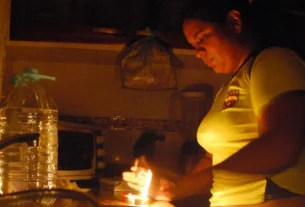
This takes place in a country where society remains patriarchal, yet families revolve deeply around mothers. In other words, mothers occupy the center of family life, particularly in working-class communities. Given the relative instability of marital relationships, women take responsibility for raising children, providing care, managing households, and ensuring economic survival. In short, men continue to organize power, but women organize everyday life.
Society values women for their roles as mothers or through the slogan of “beauty queens.” At the same time, unpaid domestic work and caregiving responsibilities continue to fall on their shoulders, undermining their participation in public life and limiting their economic opportunities. Nevertheless, on the soccer field, one can speak of a genuine matriarchy, as women have achieved remarkable success and brought recognition to Venezuelan soccer. They captured the South American U-17 Championships in 2013 and 2016. Following a period of instability, Brazilian coach Ricardo Belli, who won the CONMEBOL Women’s Libertadores with Palmeiras, has revitalized these warriors.
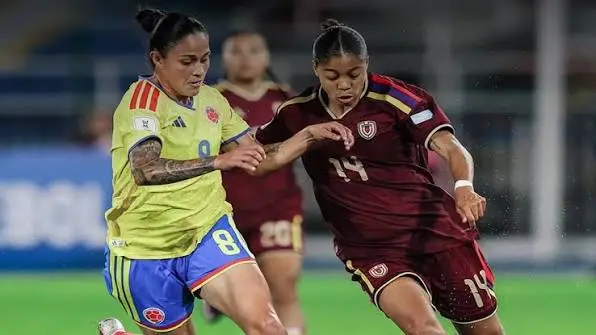
After an outstanding performance in the CONMEBOL Nations League, these women—from different regions and social backgrounds across Venezuela—stand just 90 minutes away, in a match scheduled for February, from securing the country’s first appearance at a senior-level outdoor soccer World Cup. Life extends beyond the celebrated Deyna Castellanos: teamwork, fearless play, and a system built around roles rather than fixed positions have enabled this squad to compete at the highest level. In late November, they will complete their preparations for the playoffs against formidable opponents: France, Morocco, and Spain, the reigning world champion.
Success also extends to the younger generations. Venezuela’s U-17 national team recently competed in the World Cup in Morocco, reaching the quarterfinals before Nigeria eliminated them 1-0. Nigeria eventually lifted the trophy. In the round of 16, the Venezuelans knocked out powerhouse Germany, the reigning UEFA champion. Yes, in a sport where 11 players face 11 opponents, and the Germans usually win, the daughters of Bolívar’s homeland jumped for joy while tears streamed down German cheeks. That is the magnitude of these players’ greatness.
The CONMEBOL Women’s Libertadores final brought together two Brazilian clubs featuring Venezuelan players: Dayana Rodríguez’s Corinthians and Cruzeiro, with Michelle Romero and Yenifer Giménez. Ultimately, the Belo Horizonte side emerged victorious. Rodríguez had lifted the trophy with Timão in the previous edition. Romero and Giménez thus joined Yusmery Ascanio (Colo-Colo, 2012), Ysaura Viso, Jaylis Oliveros, and Alexandra Canaguacán (Atlético Huila, 2018) among the Venezuelan women who have conquered South America’s most prestigious club competition. On the men’s side, only Alejandro “Lobo” Guerra (Atlético Nacional, 2016) and Jefferson Savarino (Botafogo, 2024) have done the same.
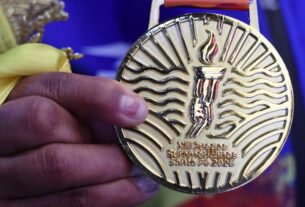
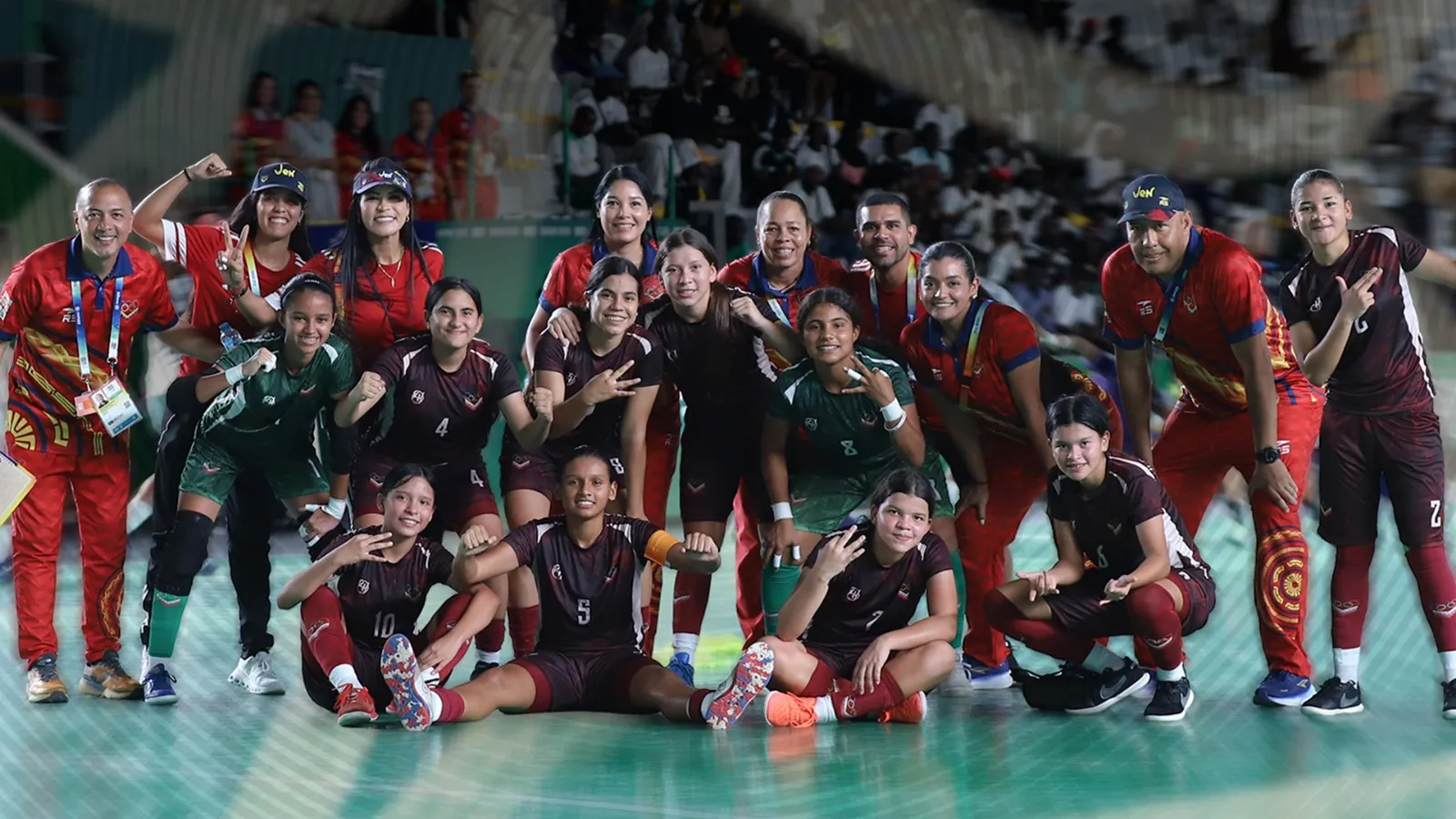
As these lines take shape, another medal is on the horizon at the Dakar 2026 Youth Olympic Games, this time in futsal. After finishing as runners-up in the CONMEBOL U-20 tournament in Barquisimeto, the Venezuelan team has reached the final, where it will compete for gold against either Ukraine or Italy. Is this unprecedented? No. Deyna Castellanos’s generation already earned a silver medal at the 2014 Youth Olympic Games in Nanjing.
For these and many other reasons, when people talk about soccer in Venezuela, women bring home the joy. Despite living in a patriarchal nation that lacks adequate sports infrastructure for women and often confines them to the roles of beauty queens or mothers, the same country where María Corina Machado and Delcy Rodríguez stand as its two most prominent political figures is also a nation where soccer success carries the unmistakable essence of women.