Temperatures could reach 40 degrees Celsius or higher in low-lying areas in December, while unexpected rainfall could occur in the Andes.
Vanessa Davies
International meetings come and go, but the planet seems no closer to seeing the light at the end of the tunnel. COP31, which began on Monday, November 9, in Turkey, opened with renewed warnings about global warming and its consequences for life: the same words, year after year.
Climate change brings “extreme rainfall or drought, heat waves, and melting polar ice,” explains Carlos Méndez, head of the Center for Environmental Crisis Studies at the Venezuelan Institute for Scientific Research (IVIC). The endless litany seems to bore those who dismiss climate concerns as mere blah, blah, blah. But global warming has also tightened its grip on a recurring phenomenon like El Niño, which has emerged as a Super El Niño during the 2026–2027 season and should weaken by March 2027.
Unexpected rainfall
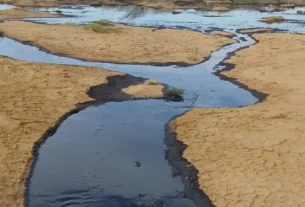
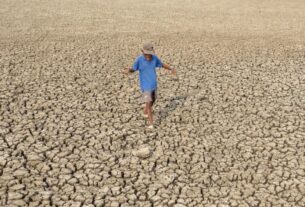
In Venezuela, El Niño generally brings drought. But “with the convergence of warming exceeding 1.6 degrees and the warming associated with El Niño, we are observing that El Niño is changing,” the researcher explains. “In addition to causing widespread drought, it could also bring unexpected rainfall, particularly between December and January, to the Andes and the Andean foothills.”
Here is the explanation for this rainfall. Normally, a time lag separates warming in the Atlantic Ocean from warming in the Pacific Ocean, Méndez explains. “With climate change, the seasons are shifting, and warming in the Atlantic is lasting longer. This means that the Atlantic generates water vapor, which the Pacific ‘pulls’ toward it. When that moisture encounters the Andes, it falls as rain.”
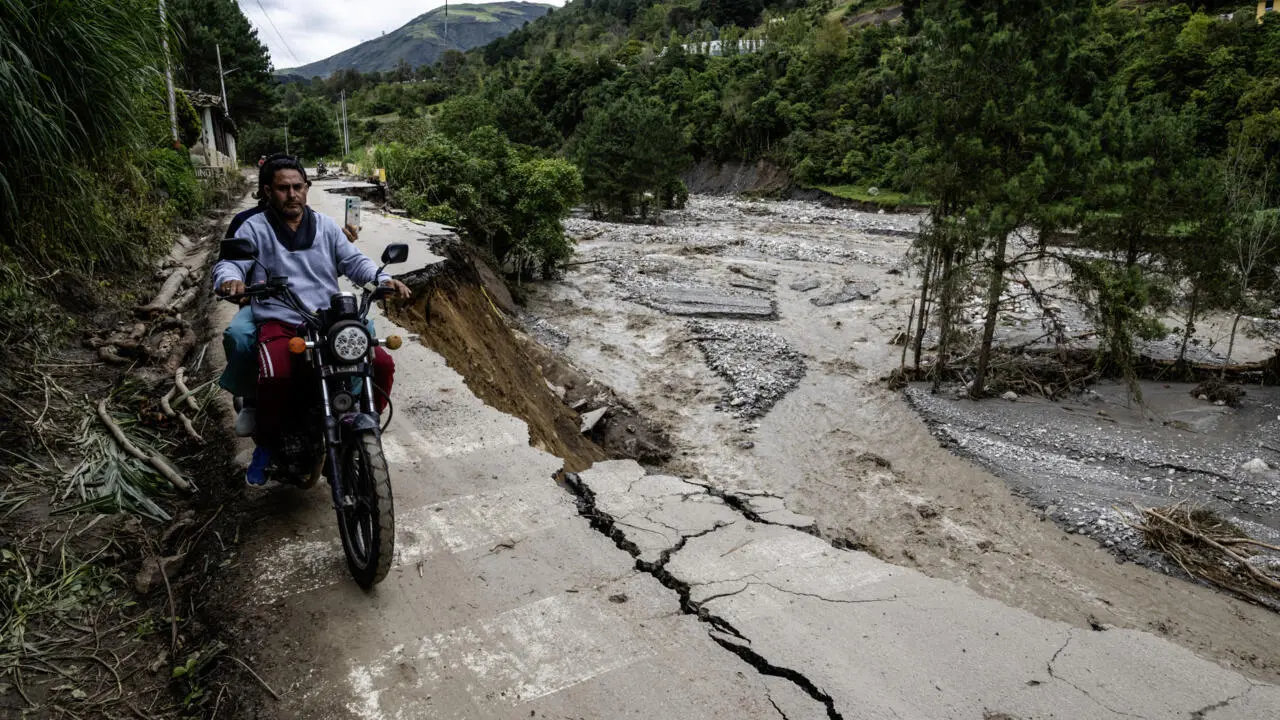
Méndez recommends taking precautions because extreme weather events could occur. “We could experience more rainfall than expected in the Andes,” where monthly precipitation generally averages 10 millimeters but could reach 50 millimeters.
“We can expect the worst between December and January,” he predicts.
Temperatures of 40 degrees Celsius or higher will accompany December in low-altitude areas. “And this will probably become the norm,” Méndez warns.
People in the north, water in the south
Rising temperatures, water shortages, and torrential rainfall affect food production, Alejandro Álvarez, coordinator of Clima 21, emphasizes.
The drought that most concerns scientists is the one that could affect the Caroní River basin, “which generates 80% of Venezuela’s electricity,” Méndez recalls. For this reason, he recommends proper management of water resources and reservoirs, “and carefully managing water supplies so they last long enough.”
Eight out of every 10 Venezuelans live in the northern part of the country, where freshwater supplies are insufficient, Álvarez points out. Meanwhile, southern Venezuela, with its smaller population, holds most of the country’s freshwater resources.
Venezuela once had a dry season and a rainy season, but climate change has disrupted that pattern, Méndez explains. In other words, “we still don’t know for certain what the new seasonal pattern will look like, but it has changed. We cannot expect the same seasonal patterns we had 30 years ago.”