By José Leonardo Salazar
The Daily Journal.- While the official corridors of multilateral events celebrate the country’s ecological achievements, scientific and environmental communities look with alarm at a parallel reality that calls into question the true effectiveness of environmental protection across Venezuela.
On one hand, at COP17 in Yerevan, Armenia, officials proudly announce that Venezuela has achieved the global “30×30” target, claiming that conservation programs cover more than 30% of the country’s land and marine territory. This declaration, accompanied by congratulations from Ivonne Higuero, Secretary-General of the Convention on International Trade in Endangered Species of Wild Fauna and Flora (CITES), presents to the world an impeccable legal framework and leadership committed to safeguarding biodiversity, further consolidating Venezuela’s membership in the Convention’s Standing Committee. This undoubtedly represents an achievement worthy of celebration.
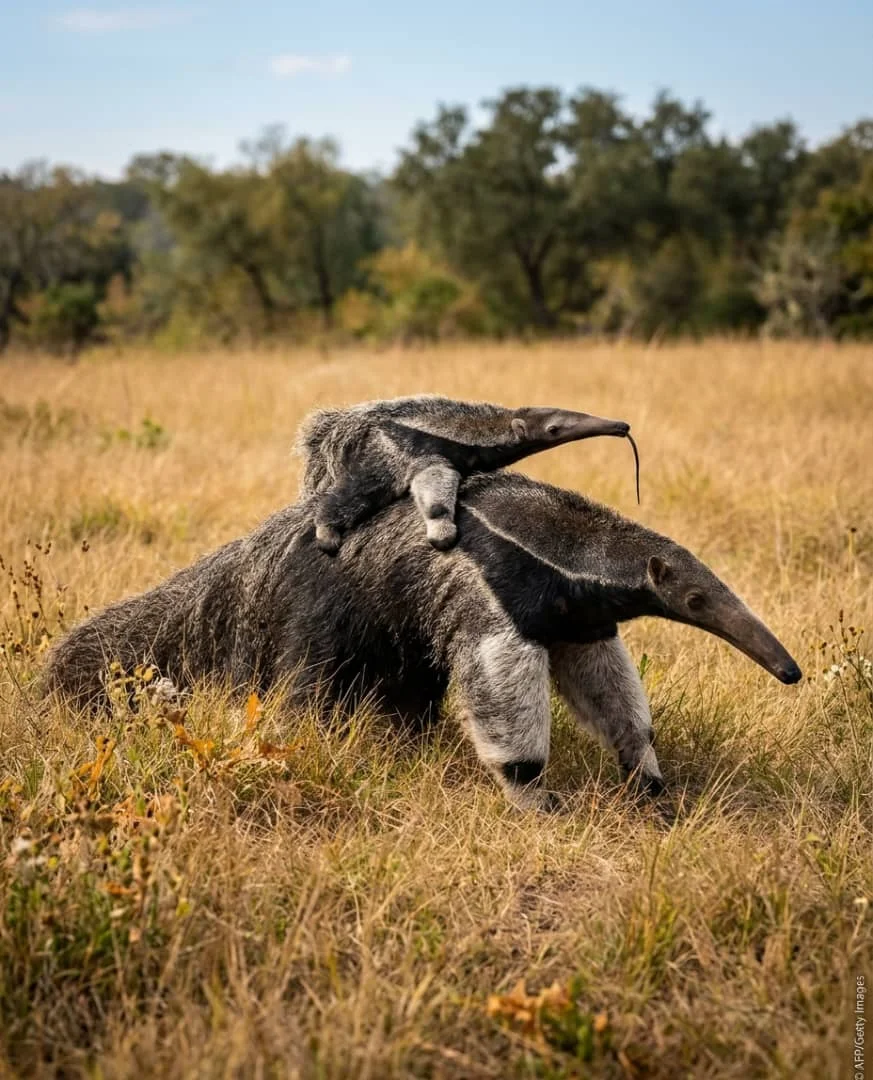
Nevertheless, behind the international speeches that praise the ancestral wisdom of Indigenous peoples and condemn the political exploitation of wildlife, experts and environmental advocates demand answers about the growing export of native species. At the center of the controversy lies the massive shipment of 107 giant anteaters (Myrmecophaga tridactyla), according to information from a source citing the German newspaper Süddeutsche Zeitung, which claims to have access to CIF invoices documenting the shipment of that number of animals to the Indian corporation Vantara, a massive private animal welfare project belonging to the influential Ambani family.
Moreover, the official CITES Trade Database, available at www.cites.org, contains a record of a shipment of 90 animals of the same species from Venezuela to India in 2024. Under international regulations, such commercial transactions can proceed only if the animals originate from certified captive-breeding facilities that reproduced them strictly in captivity under controlled second-generation (F2) conditions. This requirement exposes a direct contradiction between the government’s narrative and biological reality.
Wildlife experts point out that the giant anteater ranks among the most difficult species to breed in captivity because of its strict metabolic requirements, low reproductive rate, and highly specialized diet consisting of thousands of ants and termites every day.
Successfully breeding and raising more than one hundred specimens would require extensive scientific infrastructure and decades of continuous research, neither of which the country has publicly documented. This lack of transparency fuels suspicions of possible wildlife laundering, whereby operators could capture healthy animals directly from the Venezuelan plains and subsequently legitimize them under the label of “captive-bred,” circumventing the fundamental conservation principles of international agreements.
The contrast could hardly be more striking: while Armenia applauds a top-tier legal framework, local biologists and environmentalists question how a state that reaffirms its commitment to protecting every species in its natural habitat can simultaneously authorize massive exports of questionable origin that deplete the country’s ecosystems.