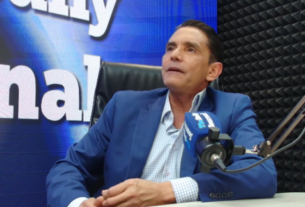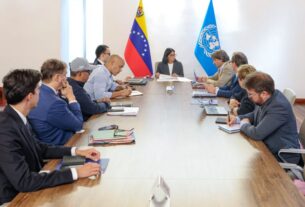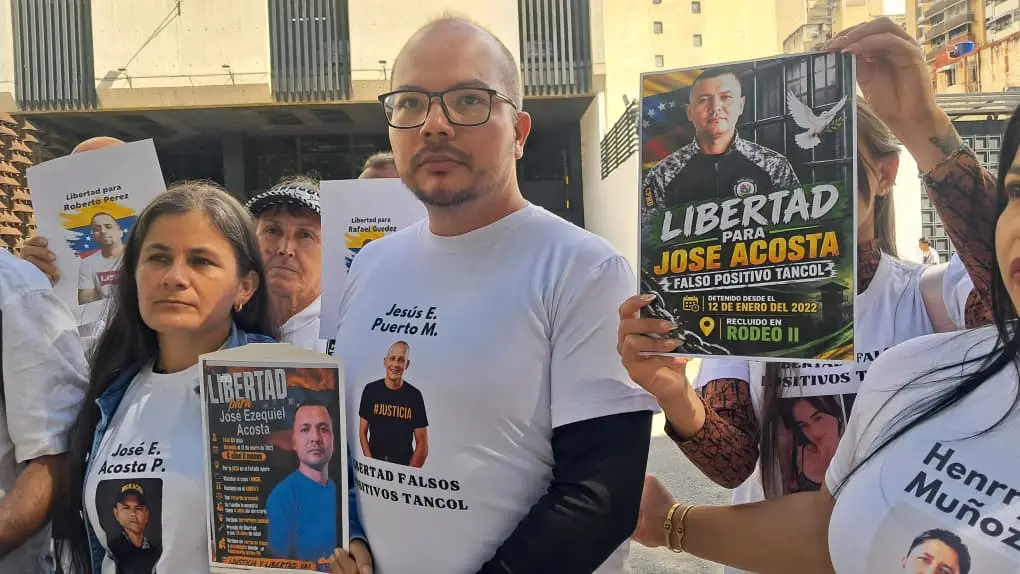
The cases involve individuals arrested between 2021 and 2023, primarily in border regions. Antonio González Plessman of Surgentes stated that most allegedly suffered torture and lacked access to adequate legal representation.
The Daily Journal.- Relatives of individuals detained on terrorism-related charges and in connection with the so-called TANCOL false-positive cases will meet this Thursday with representatives of the Peace and Democratic Coexistence Program and Deputy Minister of Citizen Security General Osorio to present testimonies concerning alleged human rights violations.
TANCOL (Armed Drug-Trafficking Terrorists of Colombia) is an acronym that Nicolás Maduro’s government coined in mid-2021 to describe alleged irregular armed groups, paramilitary organizations, or drug traffickers from Colombia operating along the Venezuelan border.
“The families will share their testimonies of human rights violations in their own words,” said Antonio González Plessman, a member of the human rights organization Surgentes who supports the Committee for the Freedom of TANCOL False-Positive Detainees.
The cases involve individuals whom authorities arrested between 2021 and 2023, mostly in 2021 and 2022, in border regions marked by geographic and economic exclusion.
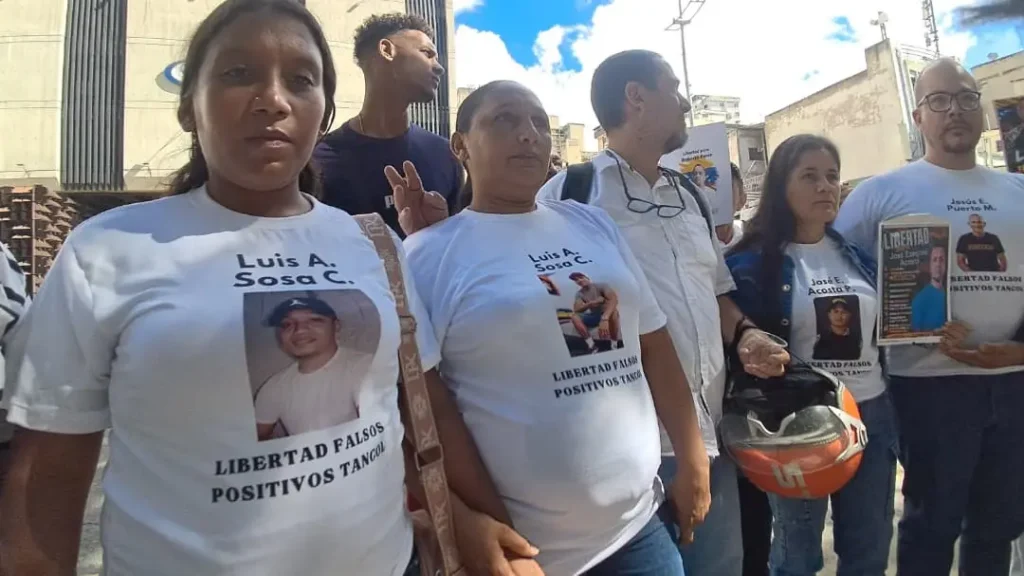
Photo: Oswaldo Rivero
González Plessman stated that authorities tortured most of the detainees and held them incommunicado, while their families faced difficulties visiting them regularly. He also maintained that many families have lacked the financial resources to hire private attorneys and secure adequate legal representation.
The human rights representative linked these circumstances to the criminalization of poverty, a practice that, according to him, Acting President Delcy Rodríguez, the interior minister, and the attorney general have publicly criticized.
“All these people have spent more than four years in prison precisely because they are poor,” he stated.
The activist argued that the detainees’ lack of financial resources had allegedly exposed them to greater abuse and restricted their ability to defend themselves. He also alleged that some officials from the Directorate General of Military Counterintelligence (DGCIM) had demanded payments ranging from $1,000 to $5,000 in exchange for their release.
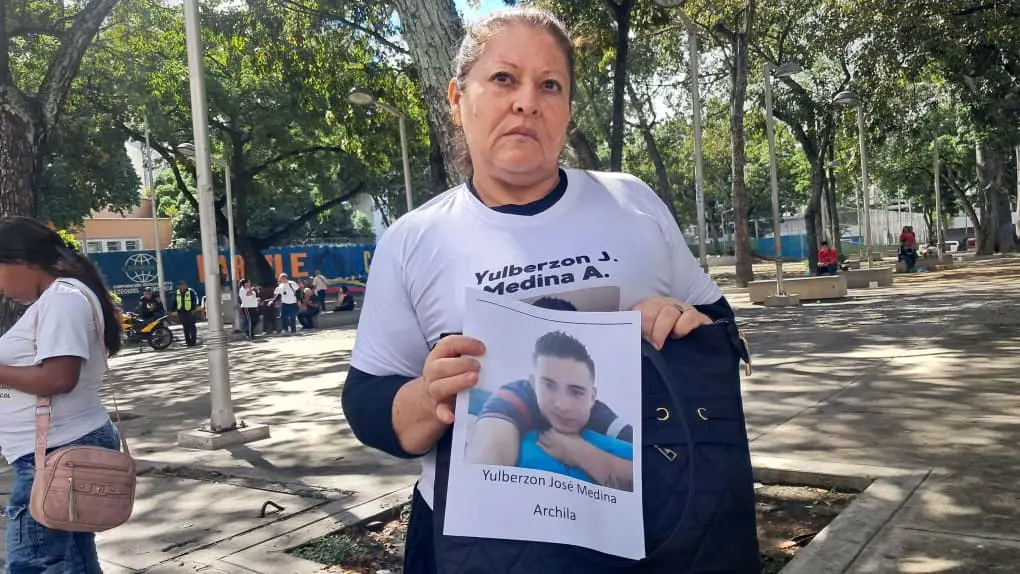
Photo: Oswaldo Rivero
“Because they are poor, they did not receive adequate legal representation. Because they are poor, they could not pay the DGCIM officials who demanded $1,000 or $5,000 to release them. And because they are poor, they remain behind bars,” he declared.
González Plessman described the criminal justice system as a structure that disproportionately affects economically vulnerable individuals and called on authorities to address the situation of the detainees and their families.